
Unlocking Glass Skin Secrets: The 10-Step Korean Skincare Routine
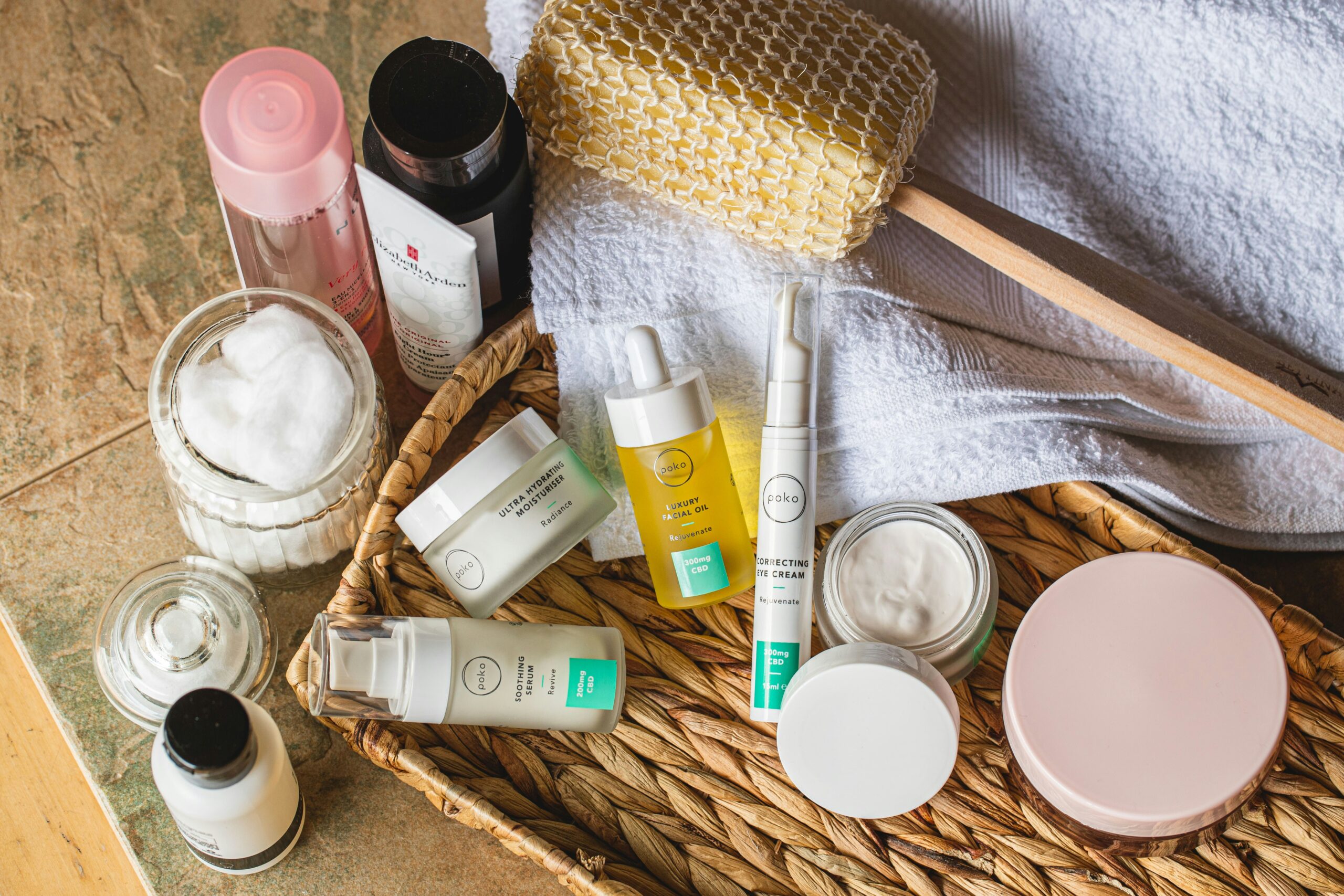
In the last 5 years, if there’s one skincare routine that has gained huge traction, it’s the Korean Glass skincare routine. It has gained popularity owing to two reasons: usage by beauty bloggers and influencers, and the glowing and glass-like skin of celebrities in K-dramas.
As mentioned in a survey (on Statista), up to 46.5% of people noticed a rise in popularity for glass skin routines in their countries. Thus, no wonder everyone wants to know what makes it so effective and worth it.
It got popular because it covers the foundation of a strong routine – understanding the skin’s needs, addressing its concerns, and finding products that work best.
Let’s take a closer look at the 10-step Korean skincare routine below, how it can help you achieve a glass skin, and how the products used handle skin concerns, when to use, and more.
A Deep Dive into the 10-Step Korean Glass Skincare Routine and its essentials
The glass skin routine is a multi-step routine that focuses on improving the skin’s overall texture, hydration, appearance, and nourishment of skin. Do a patch test and wait for 24 hours to ensure that you have no side effects, especially in case of sensitive skin. If you don’t see any reactions, then it’s time to unlock the glass skin Korean skincare routine.
Below, the Korean skincare has been simplified, so you can get a quick look at each of its crucial steps:
Step 1: Oil Cleansing:
Oil-based cleansers form the basis for the Korean skincare routine. These cleansers can be in liquid or balm form. This is because they are less irritating than the regular ones.
Highlights
- Use as a makeup remover against oil-based impurities like sunscreen, excess sebum, dust particles, and makeup
- Easier for the skin to absorb
- Effective in removing waterproof sunscreens
- Retain the balance of natural oils of the skin
- Doesn’t clog pores or cause breakouts
Ideal time to use: Morning and nighttime Usage tip: Pat your face dry gently apply the oil cleanser. Then, simply rinse your face with lukewarm water. |
Step 2: Water-based cleansers
Follow up ‘Step 1’ with a foam or cream-based face wash or cleanser with low pH levels. This is known as double-cleansing.
Highlights
- Cleans your face thoroughly and removes any residue left by the oil-based cleanser
- Quite gentle on the skin, and doesn’t dry it out
- Can be a good choice for people with sensitive skin as it protects your skin barrier.
Ideal time to use: Morning and Night Usage tip: Take 1-2 pumps of your cleanser. Massage it in circular motions, then wash it off with water. |
Step 3: Exfoliation:
Exfoliator can remove your dead skin cells for brighter, smoother skin. This is crucial to prep for skin for better absorption of serums and moisturizers. You can use a physical or chemical exfoliator. Physical exfoliators include scrubs, whereas chemical exfoliators include BHAs, AHAs, peels, and retinoids.
Highlights
- Can improve your skin complexion by unclogging your pores
- Can remove dead skin cells and increase collagen production to improve skin texture
Ideal time to use: Use it once or twice a week, preferably at night. Usage tip: Take a small amount and apply to damp skin. Focus on your pores and skin bumps when you massage in circular motions. Just be careful around sensitive regions like the eyes. |
Extra tip: You may try a patch test when you’re using any new product and read the ingredients. In case of any issues, kindly consult a dermatologist.
Step 4: Toning :
All the deep cleansing and scrubbing can leave the skin’s pH levels unbalanced. To restore skin to a slightly acidic level, a toner- a liquid or gel-based one is optimal. It also escalates the product absorption process for upcoming products.
Highlights
- It has anti-inflammatory ingredients like glycerin and botanical extracts that could soothe your skin.
- It preps for skin, so serums, ampoules are absorbed better
Ideal time to use: Morning and nighttime; use it twice daily Usage tip: Use a cotton pad to soak toner and pat it evenly into your skin. Wait for some time so the toner is absorbed efficiently |
Step 5: Essence :
Essence is a light, calming fluid that helps moisturize while giving your skin a fresher and lively look – the texture could feel like water or just a bit denser. You will find nourishing components like ceramides, vitamins, botanical extracts, antioxidants, hyaluronic acid, and niacinamide.
Highlights
- Makes your skin feel refreshed
- Reduce dark patches and hyperpigmentation
- Regular use can help even out skin complexion
Ideal time to use: Morning and night Usage tip: Find out your key skin concerns, which could be hyperpigmentation, active acne, dry skin, etc. Take small amounts of essence into your palm and pat gently on your face and neck for great results. |
Step 6: Skin treatments:
Dealing with issues such as dark spots, fine lines, tired-looking tone, breakouts, or wide pores means you need to work on picking targeted solutions. Try using serums, concentrated ampoules, or performance-driven serums to get the outcome you’re after. These treatments may have heavier formulations and concentrations of active ingredients.
Ampoules and boosters are generally used for short-term, whereas serums can be used for longer durations. This is because ampoules and boosters target specific concerns.
Highlights
- Ampoules can increase skin hydration and target fine lines. They are meant for a single use or a few consecutive uses.
- Serums have ingredients like peptides, vitamins, retinol, and Hyaluronic acid that can speed up skin healing.
- Boosters amplify the effects of your regular products. You can also mix it with other skincare products before use.
Ideal time to use: Usage tip: Use tiny product amounts to massage it into the skin. It must be fully absorbed. |
Step 7: Sheet Masks:
Another Korean glass skin staple is a sheet mask. They are single-use and contain concentrations of serums and essences. The mask is usually thin as paper, making it comfortable to keep on the face.
Serums work alongside essences to support sheet masks, but skip using them every day. Try them instead when your skin feels dull or you’re rushing.
Highlights
- Fuels skin deeply due to the presence of nutrients such as vitamins, snail mucus, and natural essences.
- Ensures you get a cooling and calming effect on skin and can help with inflammation and redness with time.
Ideal time to use: Once or twice a week. You can include it in the night routine. Usage tip: Open the sheet mask carefully. Place it on your face, using the sheet holes as guides. Lie down and keep it on for up to 20 minutes for the best results. |
Step 8: Eye Cream:
The skin near your eyes ages faster because it’s thin and sensitive – so paying attention helps. Some popular eye care products are eye creams, balms, or oils.
They soothe the surrounding skin while adding a bit of extra protection. Vitamin A, Glycerin, Shea butter, and ceramides are popular ingredients in these creams.
Highlights
- The skin around your eyes lacks natural oil glands, so it’s more prone to dryness. This is where an eye cream can help keep the area moisturized and plump
- Ingredients like retinol can help reduce the appearance of wrinkles over time
- Eye creams can also work on puffiness, swelling, and redness near the eyes
- Because it’s mild, it calms the fragile eye skin- works well if yours gets irritated fast.
Ideal time to use: Morning and night Usage tip: Use your ring finger to lightly apply the cream under the eye. |
Step 9: Moisturizing :
Gently apply some moisturizer so the earlier efforts in the last 8 steps are locked in. This step shields your skin like a barrier while keeping the moisture in. You might use gel, cream, oil, or even a thick ointment – whatever feels right.
Highlights
- Nourishes the skin in depth
- Maintains its moisture balance by preventing water loss
- Gives a youthful and plump look to the skin
- Prevents water loss from the skin’s surface
Ideal time to use: Morning and night, regular use Usage tip: Take a pea-sized amount and apply it to your face and neck. Focus on all areas- forehead, cheeks, nose, and chin. |
Step 10: Sunscreen:
Last of all – sunscreens. They protect your skin against the harmful UV rays, making them a must-have in any skincare routine. SPF in sunscreen implies how long the sun protection lasts throughout the day. The greater the SPF, the longer the sun shield. So, go for SPF 40 and 60 if you live in places with a hot climate. To choose the right one, consider your skin’s needs, its type, and any possible allergens.
Highlights
- Shields the skin against the UVA and UVB rays of the sun
- Reduces the risks of skin cancer, including Melanoma
- Prevents or reduces types of sun damage on skin: Sunburn, dark spots, fine lines, etc
Ideal time to use: Morning time, but reapply every 2 hours if you’re outdoors. Usage tip: Apply sunscreen on your face, ears, hands, neck, and arms properly. Reapply as necessary. |
The Korean Glass Skin Routine Secrets Are in Your Hands Now
The above guide covers everything you need from cleansing to protecting your skin, especially if you’re new to the Korean glass skincare routine or skincare in general. The 10-step offers a holistic approach to tackle all skin concerns for a healthy look.
However, the ten steps may seem challenging to begin with. So, don’t overwhelm yourself by fixating on following each step in the beginning. Experiment with products, the frequency, or the number of steps to tailor it to meet your best needs. Just understand the goal here is to wake up every day with healthier and glowing skin.